Building Lebanon’s Future Workforce
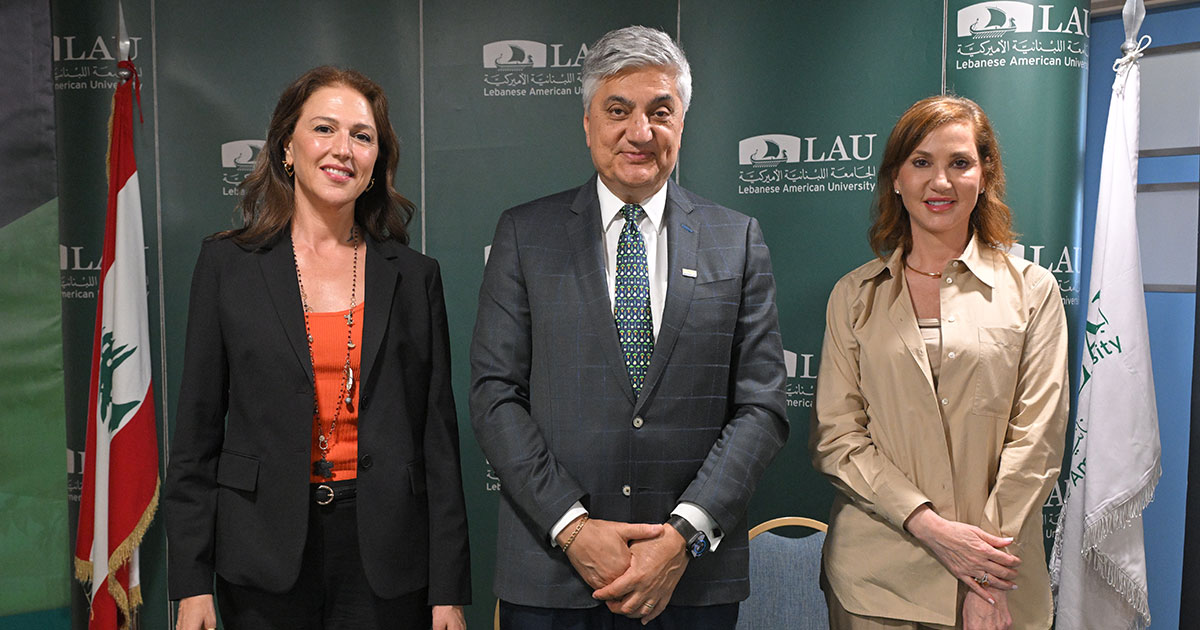
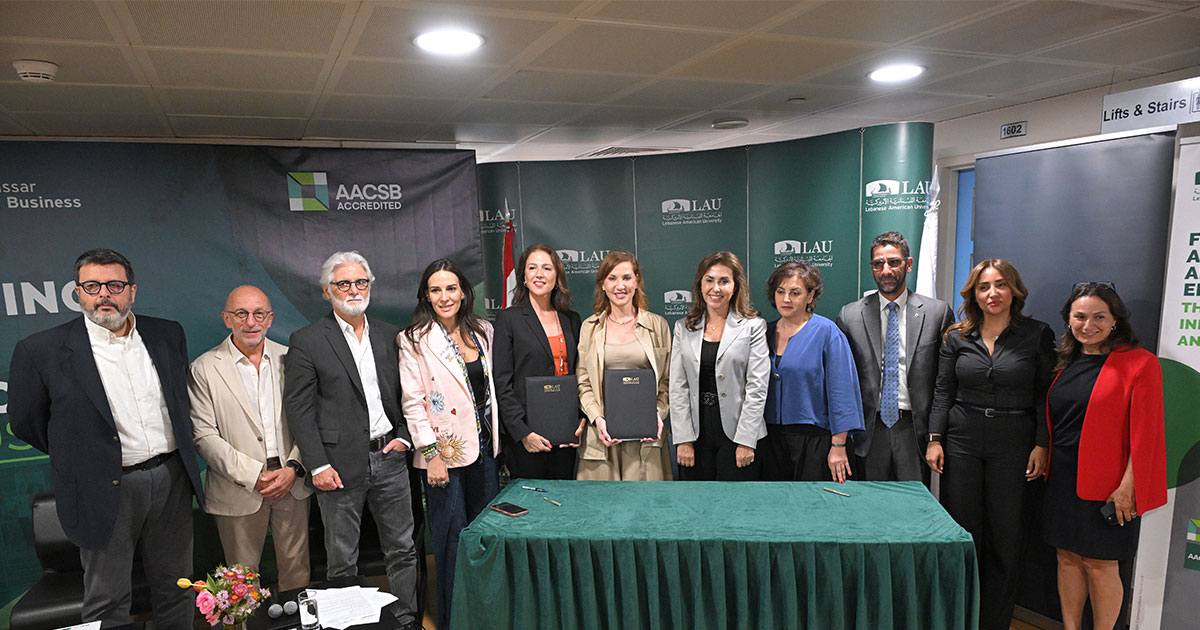
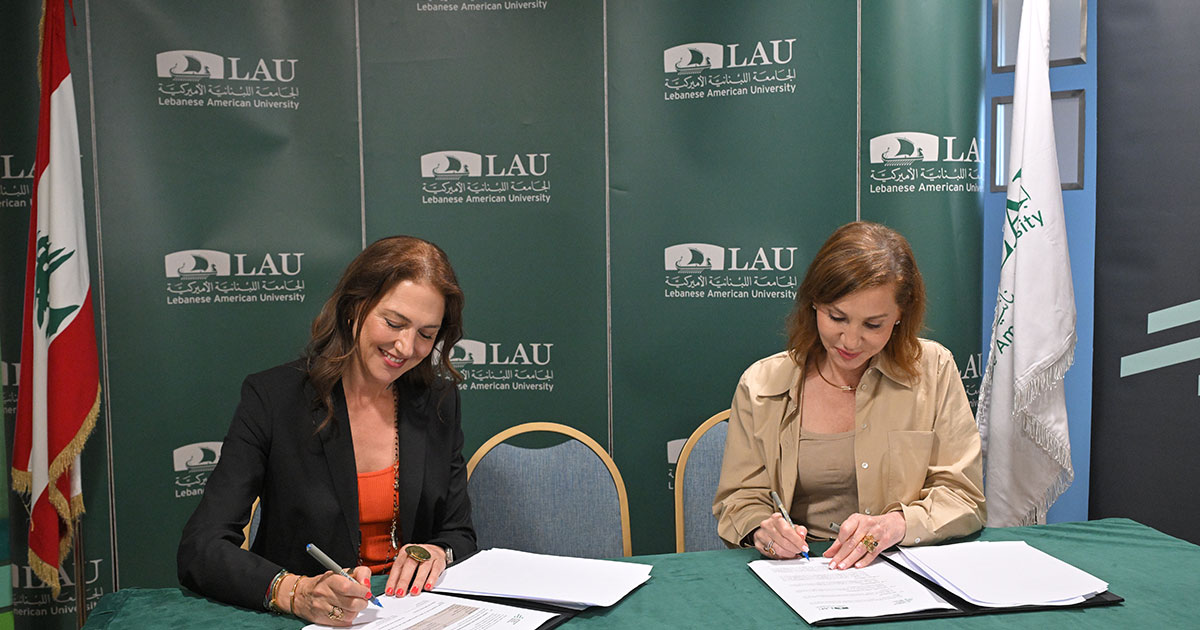
A new partnership between AKSOB and the Lebanese Private Sector Network will connect students with employers, shape future-skills education, and strengthen pathways to careers in Lebanon.
What does it take to prepare graduates for jobs that may not yet exist?
At a time when technology, business models, and workforce expectations are evolving faster than ever, the answer increasingly lies in closer collaboration between universities and employers.
With that vision in mind, the Adnan Kassar School of Business (AKSOB) and the Lebanese Private Sector Network(LPSN) signed a memorandum of understanding on June 23, 2026, at the LAU Beirut campus to strengthen the connection between business education and the evolving needs of Lebanon’s private sector.
The three-year agreement establishes a framework for future-skills research, workforce development, industry engagement, and experiential learning, creating new opportunities for students, faculty, and business leaders to collaborate in preparing graduates for an increasingly dynamic labor market.
Introducing the partnership, Dr. Hasan Youness, assistant professor of practice at AKSOB, described the collaboration as part of a broader vision for Lebanon’s future.
Representing LPSN, President Rima Freiji, Chair of the AKSOB Advisory Board and Chairwoman of Tanmia Lebanon, emphasized that employability begins with creating an environment where businesses can grow, invest, and create jobs.
“For employability to catch up with the needs of companies, companies need to be able to create jobs,” she said. “To create jobs, we need to be able to invest. And to invest, we need a better business environment.”
For AKSOB Dean Dima Jamali, the agreement reflects the school’s commitment to preparing graduates who create value not only for employers but also for Lebanon’s future.
“It is not only about employability. It is about graduating people who can contribute to Lebanon’s competitiveness and economy,” she said. “To achieve that, we need to reinvent ourselves through activities, hackathons, competitions, and partnerships that bridge the gap with industry.”
The collaboration will provide students with greater access to industry experts, workshops, seminars, internships, career opportunities, and real-time market insights.
It will also expand opportunities for collaborative research, enabling faculty and industry partners to identify emerging workforce needs and translate them into educational and practical outcomes.
Jamali highlighted the value of connecting AKSOB’s academic community with LPSN’s extensive network of private-sector organizations.
“This MOU will give our students and our faculty access to companies, market insights, intelligence, and all kinds of opportunities,” she said.
Designed as a long-term collaboration, the agreement will align business education with evolving market needs while equipping graduates with the skills, experience, and industry connections to build meaningful careers and contribute to Lebanon’s economic future.